
Community Support Is a Lifeline, and It’s at Risk
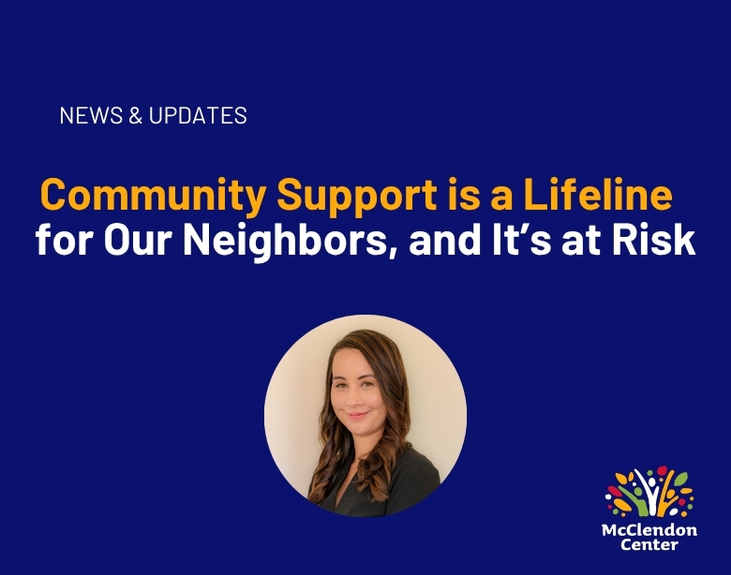
Some Things Are Too Important to Stay Quiet About
Last week, the District of Columbia Behavioral Health Association (DCBHA) hosted a much-needed conversation with a member of DC Councilmember Christina Henderson’s team.
I was privileged to represent McClendon Center alongside colleagues from behavioral health organizations across the District, to discuss the value of Community Support services throughout our healthcare networks.
Community Support is the most critical lifeline we offer to DC residents. McClendon Center provides thousands of community support visits each year, and every visit counts toward our clients’ recovery. It’s some of the most important work we do, and the most misunderstood.
This safety net is at risk from recently proposed Department of Behavioral Health budget cuts.
Few people understand how close we are to losing this service, or what that would mean for our city’s most vulnerable residents. I’ve spent the last decade working side by side with the Community Support teams that make community health something DC should be proud of.
We’ve intervened in moments of crisis on the street and in homes across the District, shown up at the bedside on medical and psychiatric hospital units thousands of times, and advocated across city systems so our clients receive equitable, accessible mental health care.
At its core, Community Support is about trust, and trust is built over time. I think about clients my team has walked beside for years: people without housing, without a phone, without transportation, and with no one checking on them, until organizations like ours reached out, showed up, and kept showing up.
I’ve had the honor of watching lives transform, families reunite, and people move off the street and into housing. I’m proud of how the work we do each day at McClendon Center strengthens our DC community.
Now I think about our most vulnerable clients losing the support we’ve worked so hard to build.
More than ever, our community needs courageous support: programs that can keep their commitments to people in need and turn shared values into accessible care.
I left the meeting grateful to have been heard, optimistic about the ongoing dialogue with Councilmember Henderson’s office, and more determined than ever.
Please join us in doing what is right and speak up for our neighbors in need.
In solidarity,
Caitlin Apo, LPC
Director of Clinical Services, McClendon Center


