

EIN #: 20-0108493
Contact Us
Core Services
(202) 745-0073
Day Program
(202) 737-6191
General Inquiries:
info@mcclendoncenter.org
Medical Records:
records@mcclendoncenter.org
Day Program Referrals:
DayProgramReferrals@mcclendoncenter.org

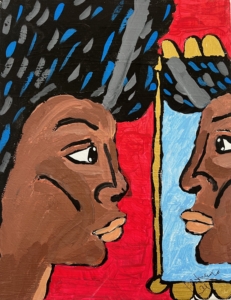
At McClendon Center, we are proud to highlight the remarkable achievements of our clients, and today, we’re thrilled to spotlight Patrice, a dedicated art therapy participant at our Day Program. Her powerful piece, Everything Starts and Ends With Me, has been chosen for the Substance Abuse and Mental Health Services Administration’s (SAMHSA’s) Gallery of Hope 2024, which highlights the role of artistic creativity in mental health and substance use recovery. Patrice’s work showcases both her talent and her inner journey to self-discovery and healing.
Patrice shared, “I used to blame everyone and everything for my substance abuse. I suffered low self-esteem because of it. From group therapy for dual diagnosis of substance use disorder and Bipolar disorder, I now know that everything starts and ends with me. This is me looking at myself for the answer.”
View the featured artwork here
Her insight reflects a profound transformation that many of our clients experience, illustrating how art can serve as a vital tool for reflection and empowerment. At McClendon Center, we celebrate stories like Patrice’s, where creativity meets resilience, proving that recovery is not only possible but also deeply personal.
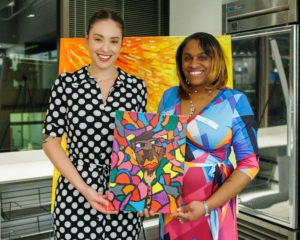
You can see and purchase more of Patrice’s artwork here
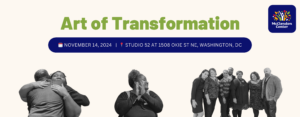
Art of Transformation 2024
Thursday, November 14 | 6:00-8:00 pm
📍 Studio 52 | 1508 Okie St NE, Washington, DC
Join us for an evening filled with art, inspiration, and community. Here’s what’s in store:
Over 50 pieces of client artwork will be on sale with proceeds directly supporting McClendon Center’s work to improve the health and well-being of DC’s most vulnerable residents — those who are economically disadvantaged and struggling with mental health issues.
Tickets include light appetizers, drinks, and the opportunity to experience the impact of our work firsthand.
We can’t wait to see you there!
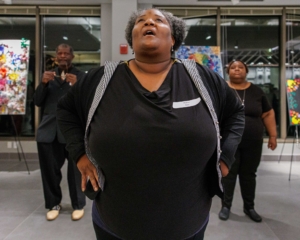
Art of Transformation 2024
Thursday, November 14 | 6:00-8:00 pm
📍 Studio 52 | 1508 Okie St NE, Washington, DC
This fall, immerse yourself in a showcase of original artwork created by our clients. All artwork sales will directly support McClendon Center’s work to improve the health and well-being of DC’s most vulnerable residents.
Enjoy an evening brimming with fun activities and surprises. It’s the perfect opportunity to celebrate creativity while connecting with our community!
Here’s what to look forward to:
Stay tuned for more details. You won’t want to miss it!

Dear Friends and Supporters,
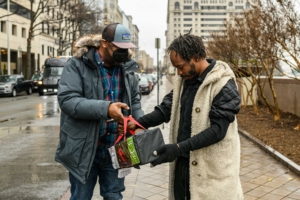
This July has been an oppressive one for our client community–30% of whom are homeless upon intake. The recent heat wave is a stark reminder of how dangerous it is to be without housing. Extreme temperatures are dangerous for everyone, but they’re especially scary for individuals living outside in tents and encampments.
Another deeply concerning issue facing our community is the recent Supreme Court ruling on homelessness, which allows cities to penalize individuals for sleeping in public spaces. Instead of addressing the systemic issues contributing to homelessness, the ruling criminalizes the most vulnerable among us who are just trying to survive. This is unacceptable.
Read on to learn more about how we can stand up for the rights of our unhoused neighbors.
On a more positive note, July is also Bebe Moore Campbell Minority Mental Health Awareness Month, a time for raising awareness about the struggles faced by marginalized communities in accessing mental health care. The disparity is real, which is why we’re committed to providing culturally competent care that meets people where they are.
Our popular Dance-Movement Therapy program, featured in these pages, is an example of how we engage our community in activities of their choosing that motivate and inspire them to be their best selves. The Day Program also had a cookout recently in recognition of July 4th, which put a smile on everyone’s faces and hot meal in their bellies.
No matter what challenges lay ahead, we can ensure the safety and wellbeing of our community if we stick together. Thank you for your continued support of the McClendon Center family.
Warm regards,
Sheandinita Dyson
CEO, McClendon Center
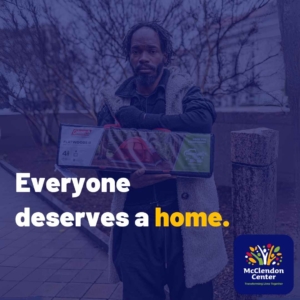
Upon intake, 30% of McClendon Center’s clients are homeless. We work hard to connect clients with safe housing options, but it’s not easy. In addition to being homeless, these clients suffer from mental illness, food insecurity, and other issues that make recovery difficult, to say the least.
This is why the recent Supreme Court ruling allowing cities to punish people for sleeping in public spaces is such a grave injustice.
Instead of working to address the root causes of homelessness, this decision criminalizes survival, making life even harder for people living on the streets, in parks, and in their cars. We need solutions that address the systemic issues leading to homelessness, not punitive measures that push vulnerable individuals further into the margins.
It’s time to take action and stand up for the rights of our unhoused neighbors.
Join us in advocating for compassionate and effective solutions to homelessness by participating in the Housing Not Handcuffs campaign.
Visit housingnothandcuffs.org/join to learn how you can help fight against this ruling and support efforts to provide housing and dignity for all.
Together, we can make a difference and ensure that everyone has a safe place to call home.
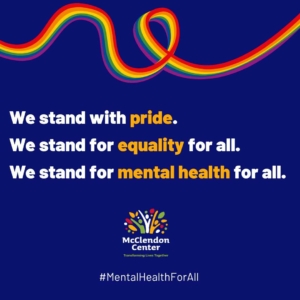
It’s PRIDE month, and here at McClendon, we’re celebrating the same way we do every day–by embracing all people and ensuring that they have a safe place to celebrate being themselves.
Often, LGBTQIA+ folks from communities of color are reluctant to come out, which is why as a predominantly Black-serving organization, we make it abundantly clear that no matter who you are, you are accepted here.
Sheandinita Dyson, McClendon Center President + CEO
Honoring Juneteenth means learning and growing. Earlier this week, we brought our Day Program participants together in recognition of Juneteenth. It was a wonderful opportunity for our clients to connect, learn, and reflect on the significance of this important part of our nation’s history.
McClendon Center has curated 5 essential reads to gain a richer perspective on this day of freedom and resilience.
Knowledge fuels empowerment—let’s harness it together.
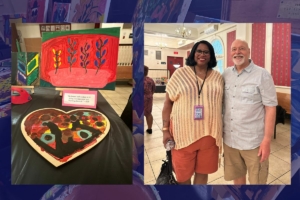
Major thanks to everyone who came out to support our Day Program clients and purchased original artwork at the McClendon Center’s Spring Client Craft Show.
If you were unable to make it out, you can directly support our art therapy program by donating supplies to our studio via our Amazon Wish List.
View our Art Therapy Wish List
If we care about our bodies, we should care about our minds too.
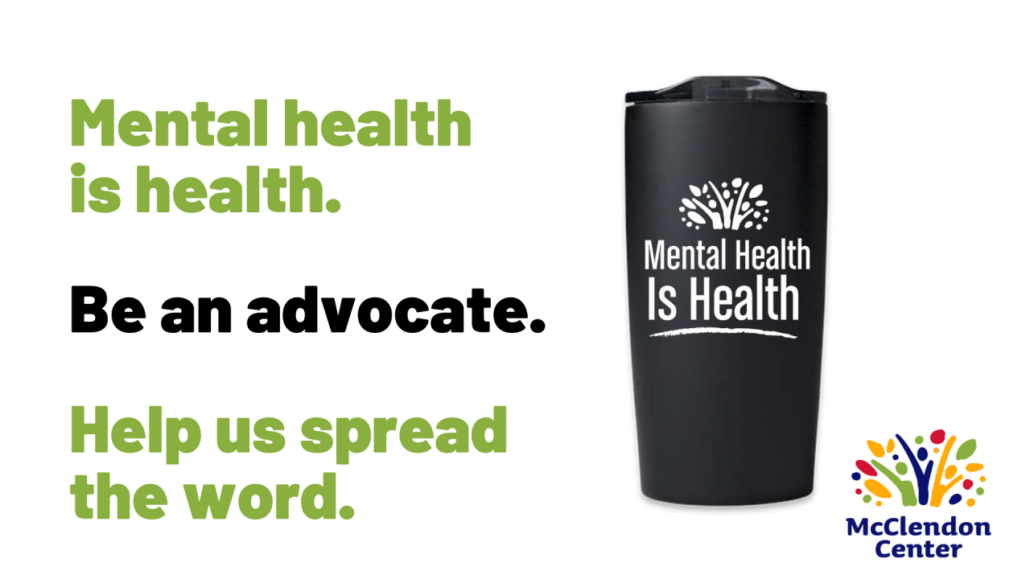
May is Mental Health Awareness month and we’re asking YOU to be an advocate. Purchase this limited edition 𝐌𝐞𝐧𝐭𝐚𝐥 𝐇𝐞𝐚𝐥𝐭𝐡 𝐢𝐬 𝐇𝐞𝐚𝐥𝐭𝐡 tumbler today and help us spread the critical message.
All proceeds support McClendon Center’s work to create fuller lives for those with mental illness.
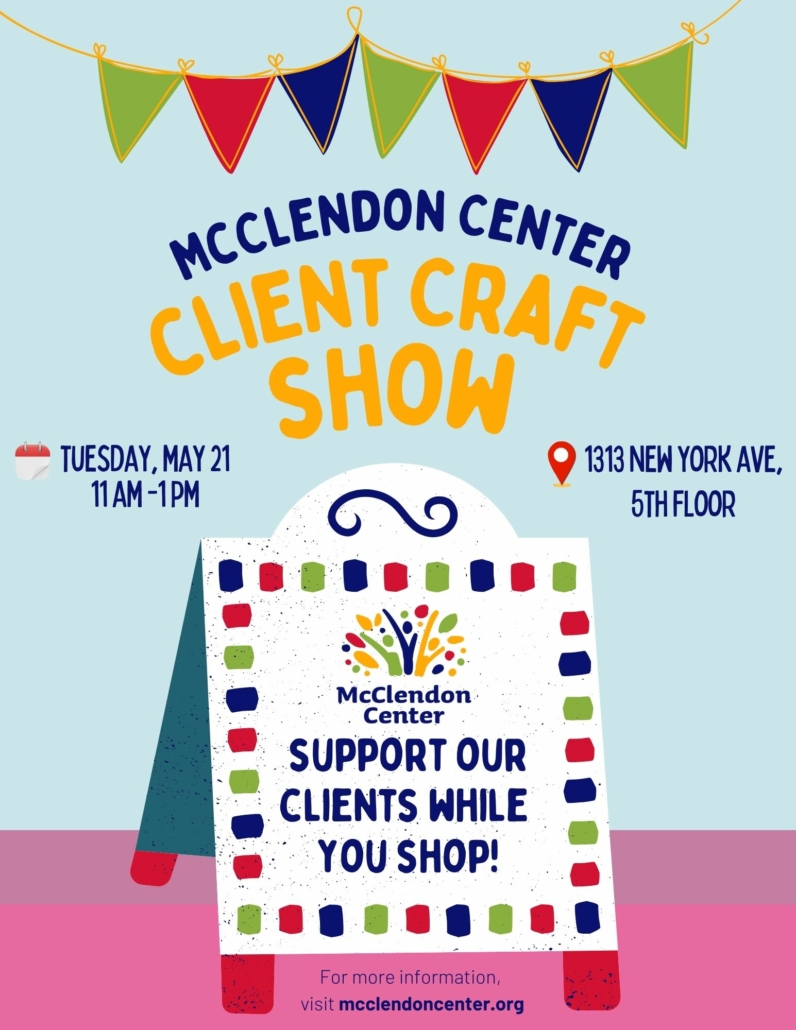
McClendon Center Spring Client Craft Show
Tuesday, May 21 | 11 am – 1 pm
1313 New York Avenue NW, 5th Floor
Cash only!
Come give and receive some healing energy at our Day Program’s Spring Craft Show!
From mosaics and jewelry to paintings (and more), our clients have been hard at work creating meaningful works of art to showcase and sell to the public. Please note that this event will be cash only.
100% of proceeds from the Craft Show go directly to serving DC’s most vulnerable residents–people who are economically disadvantaged and struggling with mental health issues.
Don’t miss it!
EIN #: 20-0108493
Core Services
(202) 745-0073
Day Program
(202) 737-6191
General Inquiries:
info@mcclendoncenter.org
Medical Records:
records@mcclendoncenter.org
Day Program Referrals:
DayProgramReferrals@mcclendoncenter.org